Men Wearing Micro Swimsuits: The Ultimate Guide to Men’s Micro Bikinis, Thongs, G-Strings, and Ultra-Micro Swimwear
Why More Men Are Choosing the Smallest, Sexiest, and Most Revealing Swimsuits Ever Designed
Men’s swimwear is changing, and one of the most exciting developments is the growing interest in micro swimsuits for men. From tiny bikini briefs and micro thongs to ultra-micro pouch designs, men’s swimwear is moving far beyond traditional board shorts and conventional Speedos.
For decades, women have enjoyed an incredible variety of small, sexy bikinis. Men, on the other hand, were often expected to wear loose-fitting shorts or relatively conservative swim briefs. That distinction is becoming less important as more men discover the freedom, confidence, and unique appearance of micro swimwear.
Today’s micro swimsuit market includes designs that are every bit as small as women’s bikinis—and sometimes considerably smaller.
Gay men have long been enthusiastic supporters of revealing swimwear, but the appeal is not limited to gay beach culture. Straight men, bisexual men, femboys, gender-fluid individuals, and men who simply enjoy body-conscious fashion are exploring micro swimsuit styles.
Some men want a swimsuit that highlights their physique. Others enjoy tanning with minimal fabric, wearing feminine-inspired styles, or experimenting with the smallest possible front pouch.
There are even micro-bulge, gender-neutral, and MTF swimwear designs that minimize the traditional male silhouette.
Specialty retailers such as Koalaswim.com have helped expand this market by offering swimwear designs that go far beyond the conventional men’s bikini.
The big question is no longer whether men can wear micro swimsuits. It is how small they want their swimwear to be!
1. What Is a Men’s Micro Swimsuit?
A men’s micro swimsuit is a specially designed garment that provides significantly less coverage than a traditional swim brief or bikini.
Micro swimwear typically uses narrow side straps, very low waistlines, reduced front panels, and minimal rear coverage.
Some designs retain the general shape of a conventional bikini but use much less fabric.
Others take the concept much further, reducing the swimsuit to a compact pouch connected by narrow straps.
There is no universal measurement that officially defines a micro swimsuit. Manufacturers use terms such as micro, ultra-micro, mini, and extreme micro to describe different levels of coverage.
Common Features of Men’s Micro Swimwear
- Extremely low-rise waistlines.
- Narrow sides or string-style straps.
- Small, carefully shaped front pouches.
- High-cut leg openings.
- Minimal rear coverage.
- Stretch fabrics such as nylon and spandex.
- Designs that emphasize or minimize the male anatomy.
- Masculine, feminine, and gender-neutral silhouettes.
The most important difference between traditional men’s swimwear and micro swimwear is the amount of coverage.
A conventional swim brief is designed primarily for swimming, support, and athletic comfort.
A micro swimsuit may serve those purposes, but fashion, tanning, body presentation, and minimal coverage are often equally important.
2. The History of Men Wearing Small Swimsuits
Small swimsuits for men are not entirely new.
During much of the twentieth century, men commonly wore fitted swim briefs at beaches and swimming pools.
Brands such as Speedo helped popularize snug, streamlined swimwear, particularly among competitive swimmers.
In countries including Australia, France, Italy, Spain, and Brazil, relatively small men’s swimsuits became familiar parts of beach culture.
However, American men’s swimwear followed a different path.
During the 1980s and 1990s, long board shorts became increasingly popular.
Many men began associating small swimsuits with competitive swimmers, European tourists, bodybuilders, or gay men.
Meanwhile, specialty designers continued developing smaller and more adventurous swimwear.
Low-rise bikinis, narrow-side briefs, thongs, and G-strings became available through specialty retailers.
Eventually, the introduction of more extreme micro designs expanded the possibilities even further.
Today, men can choose from a much wider range of swimsuit sizes and silhouettes than previous generations could easily find.
3. Why Men Are Choosing Micro Swimsuits
There is no single reason men enjoy micro swimwear.
Some are attracted to the appearance. Others enjoy the feeling of wearing less fabric.
For many men, the experience is connected to confidence and freedom of expression.
Men Want to Look Sexy
Women have never had exclusive ownership of revealing swimwear.
Men also enjoy looking attractive at the beach or pool.
A well-designed micro swimsuit can emphasize the waist, hips, legs, and overall physique.
For men who work hard on their fitness, a tiny bikini can be a way to display their results.
But micro swimsuits are not limited to athletic bodies.
Men of different ages, sizes, and body types can enjoy these designs.
The Freedom of Wearing Less Fabric
Many men find loose swim trunks uncomfortable, especially when the fabric becomes wet.
A properly fitted spandex micro swimsuit can feel lightweight and allow considerable freedom of movement.
However, extremely small designs may be less secure during vigorous swimming or water sports.
The right choice depends on whether the wearer plans to swim actively, relax by the pool, or tan.
Minimal Tan Lines
One of the most practical attractions of micro swimwear is reduced fabric coverage.
Smaller swimsuits can create smaller tan lines.
This is particularly appealing to men who enjoy spending time at beaches, swimming pools, and sunny resorts.
Sun protection remains important, especially on areas of skin that are not normally exposed.
Breaking Traditional Men’s Fashion Rules
Perhaps the most interesting reason men choose micro swimwear is that they no longer feel obligated to wear conservative styles.
A man can prefer a tiny bikini without changing his sexual orientation or gender identity.
Micro swimwear is simply another clothing choice.
4. The Different Types of Men’s Micro Swimsuits
The variety of micro swimsuit designs is one of the category’s biggest attractions.
Not every man wants the same amount of coverage or the same appearance.
Micro Bikini Briefs
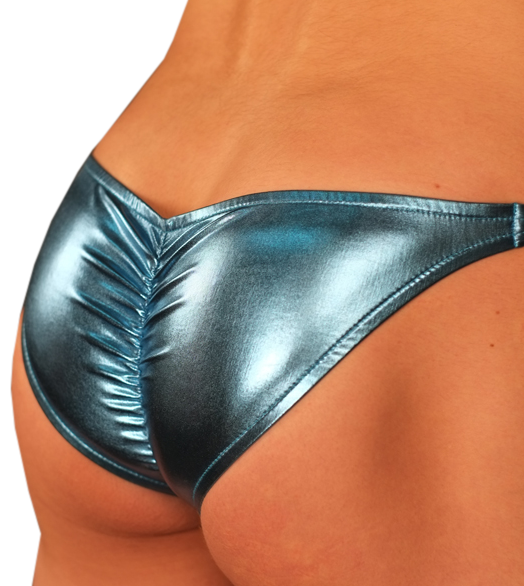
Micro bikini briefs are a natural starting point for men interested in smaller swimwear.
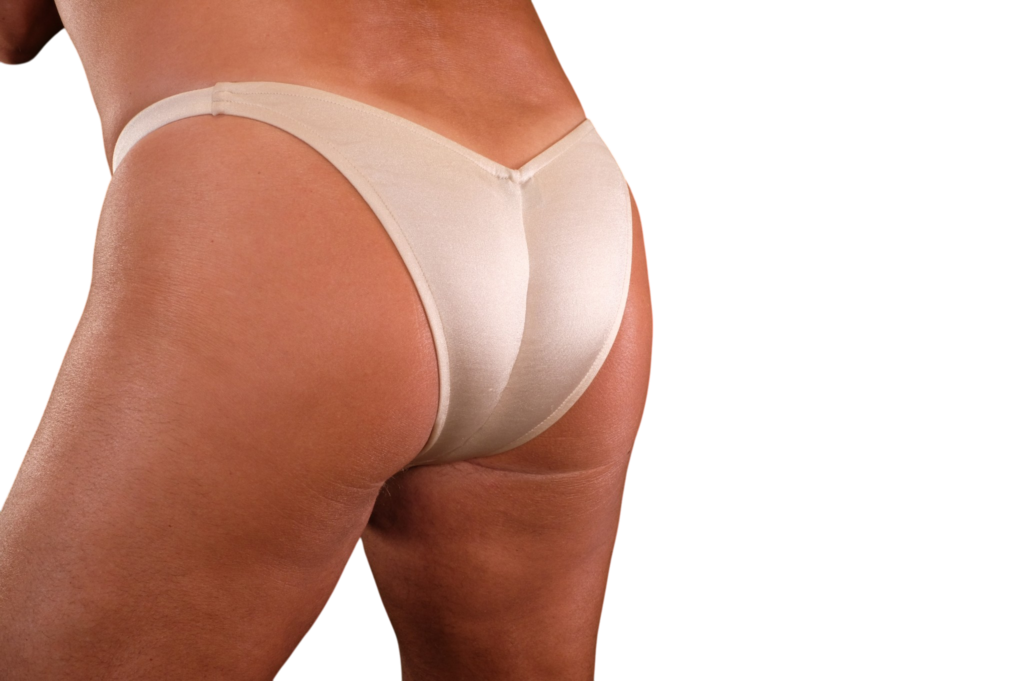
They resemble traditional men’s bikini swimsuits but feature reduced front and side coverage.
Many have a low-rise waistband and narrow sides.
Some provide full rear coverage, while others have a cheekier cut.
These designs can offer a balance between a revealing appearance and everyday wearability.
Ultra-Micro Bikinis
Ultra-micro bikinis take the concept further.
The front pouch is smaller, the sides may be extremely narrow, and rear coverage can be minimal.
Some ultra-micro designs are so compact that they use less visible fabric than many women’s bikini bottoms.
These swimsuits are generally intended for men who already feel comfortable wearing revealing swimwear.
Men’s Micro Thongs
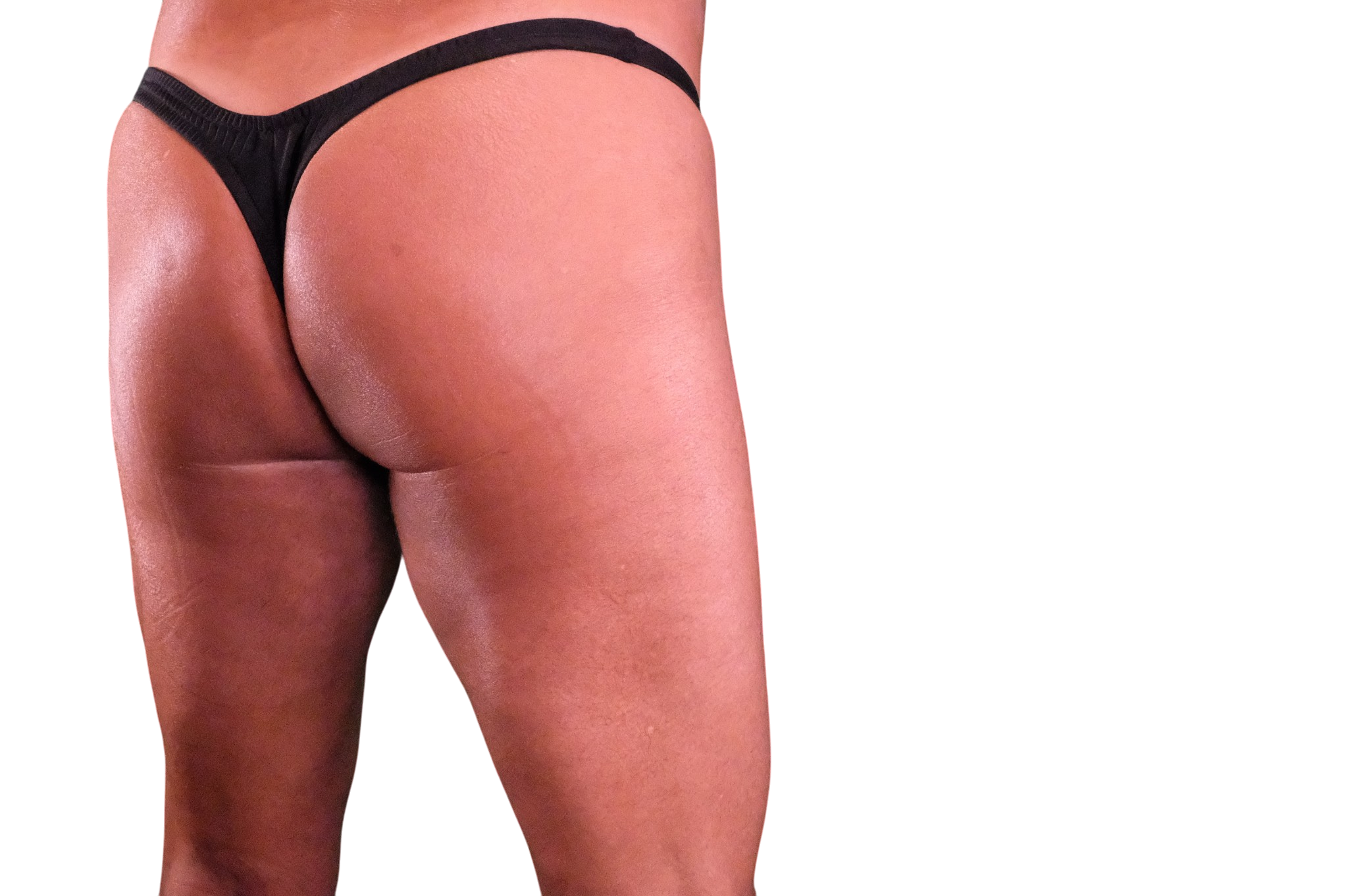
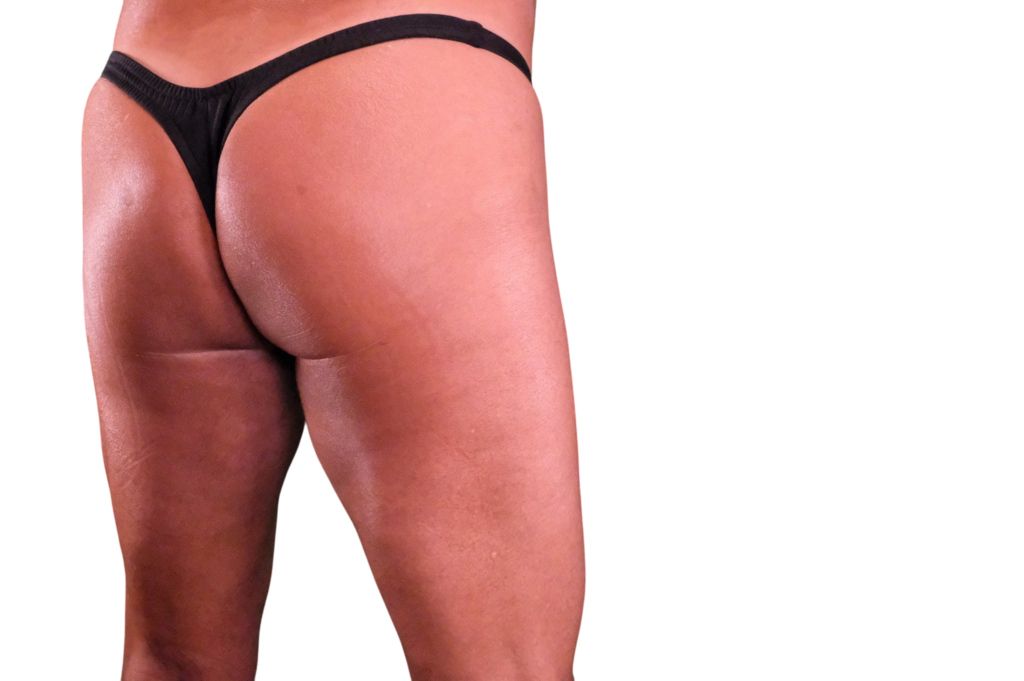
A micro thong combines a compact front with a narrow rear strip.
This creates minimal rear coverage and smaller tan lines.
Micro thongs vary considerably in front pouch design.
Some emphasize the natural male silhouette, while others provide a flatter or more discreet appearance.
Men’s Micro G-Strings
G-strings are among the smallest types of men’s swimwear.
They typically feature a compact front panel connected to narrow strings or straps.
Ultra-micro G-strings can use exceptionally little fabric.
They are particularly popular among enthusiasts who enjoy extreme minimalist fashion.
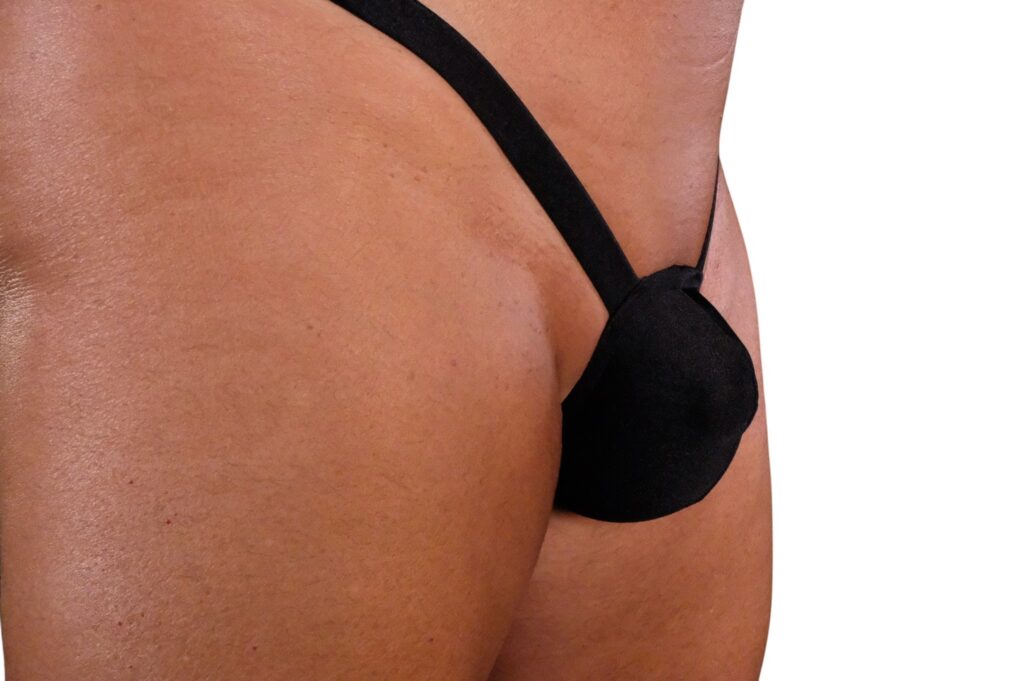
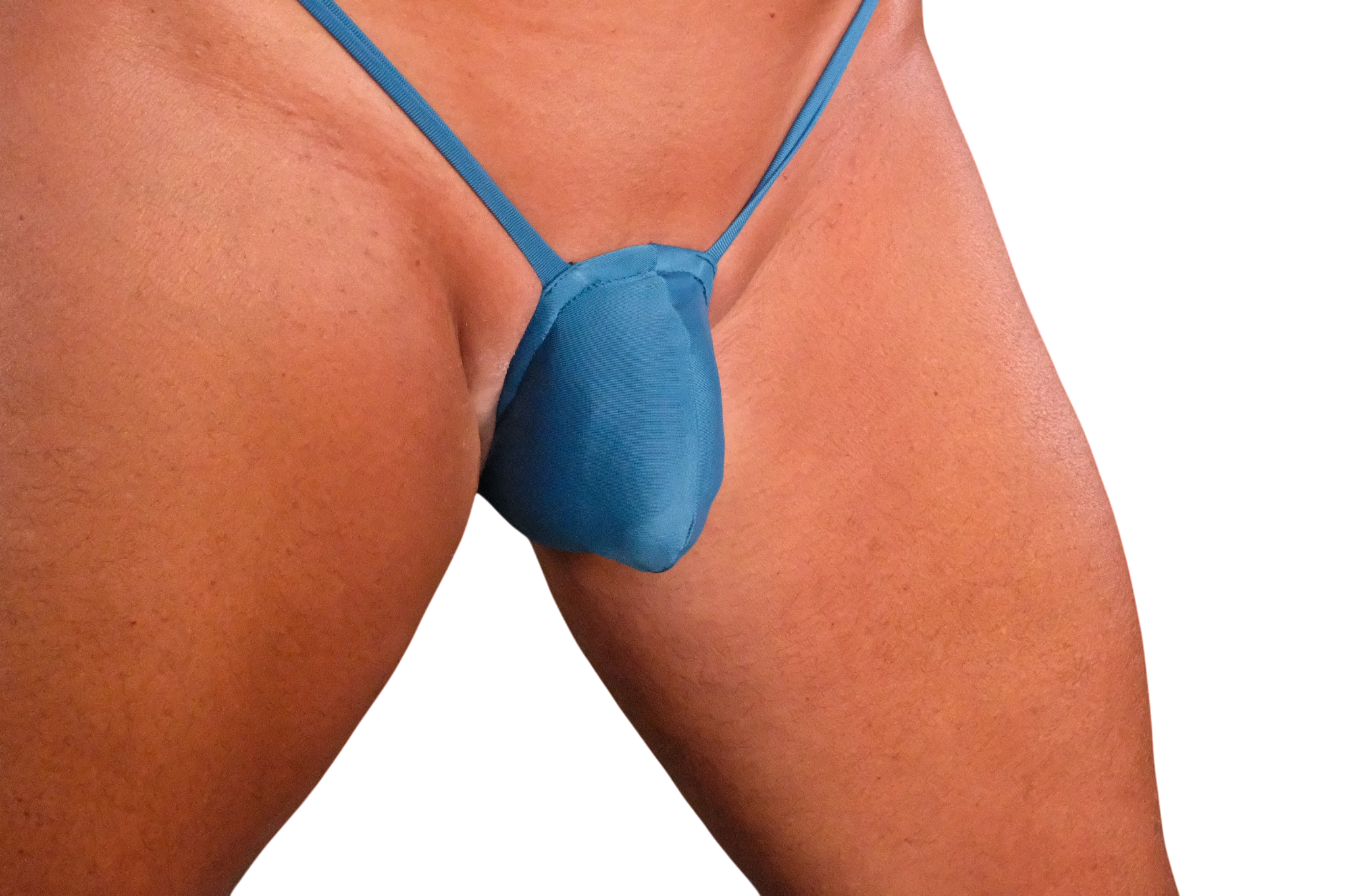
Pouch-Only Micro Swimwear
Pouch-only swimsuits are one of the most unusual categories.
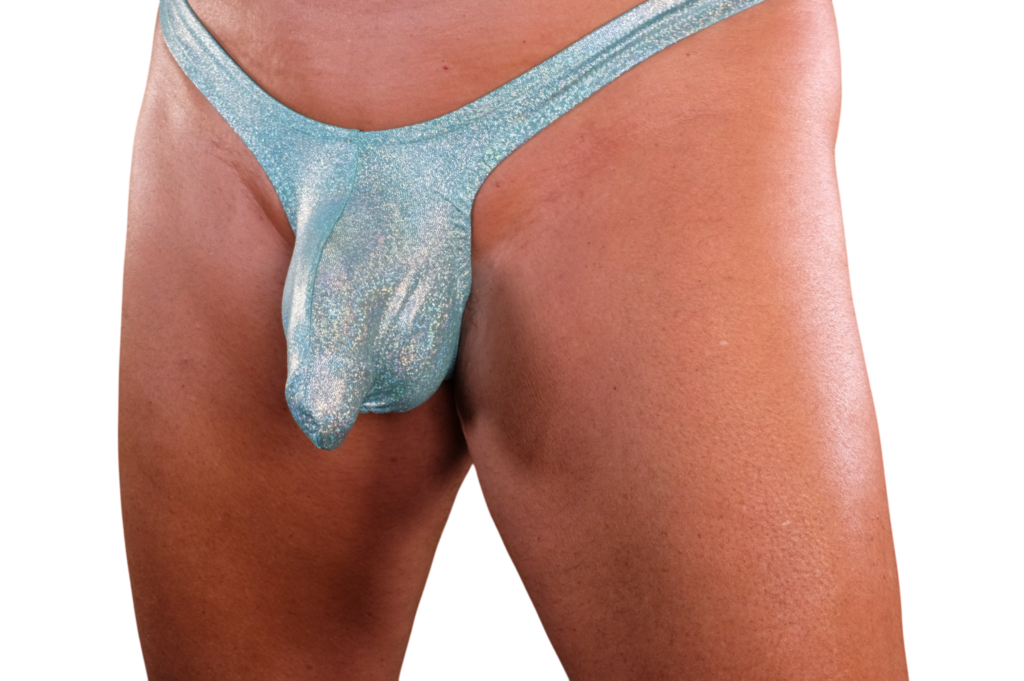
Instead of using conventional bikini panels, these designs concentrate most of the fabric around the front.
Narrow straps hold the pouch in place.
Some designs create a pronounced anatomical appearance, while others emphasize a very compact silhouette.
Pouch-only swimwear is generally more appropriate for private pools, adult-oriented resorts, or beaches where extremely revealing swimwear is permitted.
5. Men’s Micro Swimsuits Are Getting Smaller Than Women’s Bikinis
One of the most fascinating developments in modern swimwear is the comparison between men’s and women’s micro designs.
Women’s bikini fashion has included string bikinis, Brazilian cuts, thong bottoms, and micro bikinis for decades.
Men’s swimwear designers are now experimenting with equally minimal silhouettes.
Some specialty men’s designs use tiny front pouches and extremely narrow straps, making them smaller in visible fabric area than conventional women’s bikini bottoms.
Of course, women’s ultra-micro bikinis can also be extremely small.
The comparison depends on the particular designs.
What matters is that men’s swimwear is no longer restricted to large front panels and conservative cuts.
How Small Can a Men’s Swimsuit Become?
The answer depends on anatomy, construction, intended coverage, and the environment where the swimsuit will be worn.
Designers can reduce side straps and rear panels dramatically.
The front requires more careful engineering because it must provide the intended support and coverage.
Some of the smallest designs use stretch materials and carefully shaped pouches to minimize fabric.
However, there is a practical limit to how little material can be used while maintaining a secure and functional swimsuit.
The world’s smallest-looking swimsuit is not necessarily the most comfortable or useful.
6. Micro-Bulge Swimwear: When Smaller Is the Fashion Statement
Traditional men’s bikini swimsuits often use contoured pouches that emphasize the male anatomy.
Micro-bulge swimwear offers a different aesthetic.
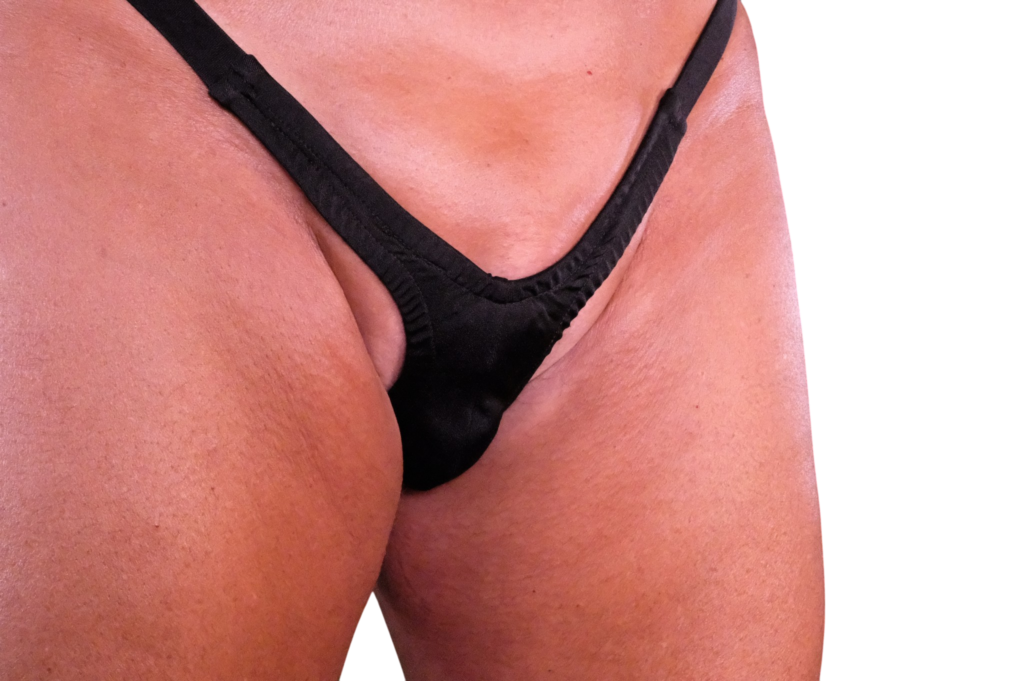
These designs create a compact, understated front appearance.
Rather than emphasizing size, they focus on a smaller silhouette.
Why Some Men Prefer a Micro-Bulge Look
Some men naturally prefer discreet swimwear.
Others enjoy feminine or androgynous fashion.
A compact front can make a micro bikini appear smaller and more streamlined.
For some enthusiasts, the attraction is finding a swimsuit that creates the tiniest possible visual bulge.
Specialty designers achieve different effects through pouch shaping, fabric selection, and compression.
A smaller-looking front is a matter of personal preference and does not reflect the wearer’s masculinity or sexual orientation.
7. Micro Swimwear for Men With Small Penises
Men with naturally small penises sometimes find conventional swimsuit pouches unnecessarily large.
A loose pouch can create an awkward fit or excess fabric.
Micro-pouch swimwear may provide a more proportionate appearance.
However, the best fit is not always the tightest fit.
A properly designed pouch should accommodate the anatomy comfortably without excessive compression.
Some men with small anatomy prefer to emphasize their natural shape.
Others choose a compact or flat-front design.
Modern specialty swimwear offers options for both preferences.
There is no reason a man should feel excluded from bikini or micro swimwear because of his body size.
8. Gender-Neutral and Eunuch-Style Micro Swimwear
Another category gaining attention in specialty swimwear is the flat-front or gender-neutral design.
Unlike conventional men’s bikinis, which often include a pronounced pouch, these styles aim to create a smoother silhouette.
Some are marketed as eunuch-style swimwear because they visually minimize the traditional male bulge.
The term describes a fashion appearance rather than a medical or anatomical condition.
Why Men Choose Flat-Front Micro Swimwear
Some wearers enjoy the minimalist aesthetic.
Others prefer an androgynous appearance.
Some are exploring gender expression, while others simply appreciate an unconventional swimsuit design.
Flat-front swimwear can create a particularly striking contrast with traditional men’s bikini styles.
Instead of highlighting the male anatomy, it visually reduces the front profile.
This demonstrates that men’s micro swimwear is not exclusively about revealing or emphasizing the body.
It can also be about changing the way the body is presented.
9. MTF Micro Swimwear: Feminine Bikini Styles for Different Bodies
MTF-inspired swimwear is another important part of the specialty micro-swimwear market.
These designs may be selected by transgender women, gender-fluid individuals, femboys, crossdressers, or men who enjoy feminine clothing.
Some styles resemble conventional women’s bikini bottoms but are constructed to accommodate different anatomy.
Others use compression or tucking-friendly construction to create a smooth front.
Micro Swimwear With a Feminine Appearance
Feminine-inspired micro swimsuits may feature high-cut legs, delicate side straps, pastel colors, and flat-front silhouettes.
Some create an appearance similar to a tiny women’s bikini.
Others combine feminine styling with a more conventional male pouch.
The variety allows wearers to decide how masculine, feminine, or gender-neutral they want their swimwear to appear.
A person does not need to identify as transgender to enjoy feminine swimwear.
Likewise, not every transgender woman wants to wear revealing micro designs.
Personal comfort and identity should guide the choice.
10. Gay Men’s Micro Swimwear Leads the Way
Gay men’s beach fashion has been an important influence on the development of revealing men’s swimwear.
In destinations such as Miami Beach, Fire Island, Palm Springs, Ibiza, and Mykonos, fitted bikinis and thongs have long been visible parts of certain beach and resort communities.
Specialty gay-oriented swimwear designers helped popularize styles that were difficult to find in mainstream stores.
These included low-rise bikinis, narrow pouches, thongs, G-strings, and increasingly minimal micro designs.
Today, the appeal extends beyond gay men.
Straight men and men of other sexual orientations also enjoy these styles.
A micro swimsuit does not determine sexual orientation.
The important change is that more customers can choose swimwear based on appearance and personal preference rather than outdated stereotypes.
11. Straight Men Are Discovering Micro Swimsuits
For many years, straight men in the United States were often discouraged from wearing very small swimsuits.
A man wearing a bikini might be stereotyped or criticized for choosing something outside conventional masculine fashion.
Those expectations are becoming less rigid in some communities.
Social media, international travel, fitness culture, and online specialty retailers have made alternative men’s swimwear more visible.
Straight men may choose micro bikinis for the same reasons as anyone else: comfort, tanning, fashion, confidence, or simply enjoying the look.
Some prefer masculine pouch designs.
Others are comfortable experimenting with feminine-inspired styles.
The swimsuit itself does not define the wearer.
12. Koalaswim.com and the Evolution of Men’s Micro Swimwear
Specialty retailers have played a major role in expanding men’s micro swimsuit choices.
Koalaswim.com is one example of a company associated with small, revealing, and unconventional men’s swimwear.
Its range of design categories includes micro bikinis, thongs, G-strings, ultra-micro styles, compact pouch designs, and gender-expression swimwear.
For men looking beyond conventional swim briefs, specialty retailers provide access to styles rarely found in department stores.
A customer might begin with a low-rise bikini and later experiment with a narrower pouch or thong.
Another might specifically seek out a micro-bulge design.
Others may be interested in feminine-inspired or flat-front swimwear.
The expanding range of choices is one of the most important developments in the category.
Rather than expecting all men to wear the same basic swimsuit, specialty brands offer a much broader selection of silhouettes.
13. The First Time Wearing a Micro Swimsuit in Public
For many men, the first experience of wearing a micro swimsuit in public can feel intimidating.
A man accustomed to board shorts may feel exposed in a conventional bikini, let alone an ultra-micro design.
He may worry about attracting attention or standing out from other beachgoers.
These feelings are understandable.
How to Become Comfortable Wearing Micro Swimwear
A gradual approach can help.
Begin with a traditional swim brief or low-rise bikini.
Wear it somewhere familiar, such as a private pool or a beach where fitted swimwear is common.
Once comfortable, experiment with smaller styles.
A micro bikini with secure front coverage may be a good next step.
For men interested in thongs or G-strings, choose a location where those designs are permitted.
Confidence often grows through familiarity.
A swimsuit that initially seems unusually revealing may eventually feel like ordinary beachwear.
14. Micro Swimwear at Beaches, Pools, Cruises, and Resorts
One of the most important considerations is choosing the appropriate environment.
Different locations have different rules and cultural expectations.
Public Beaches
Many public beaches permit conventional swim briefs and bikinis.
More revealing designs may be acceptable in some locations but restricted in others.
Hotel Pools
Hotels and resorts often have dress codes.
A small bikini may be permitted, while a pouch-only or ultra-micro design may not be.
Cruise Ships
Cruises can provide opportunities to try different swimwear styles.
However, policies vary by cruise line, pool area, and onboard venue.
Adult-Oriented Resorts
Some adult-oriented resorts are particularly welcoming toward revealing swimwear.
These can be suitable environments for men interested in micro thongs, G-strings, and other minimalist designs.
Private Pools
Private settings often provide the greatest flexibility, provided everyone present is comfortable with the attire.
The key is to choose a swimsuit appropriate for the environment rather than assuming that every garment marketed as swimwear is acceptable everywhere.
15. Are Micro Swimsuits Only for Young, Muscular Men?
Absolutely not.
Men of different ages, body types, and fitness levels can enjoy micro swimwear.
There is no minimum level of muscular definition required to wear a bikini.
A man does not need a perfect abdomen or athletic physique to feel confident in a small swimsuit.
Some men prefer micro designs that emphasize their body shape.
Others choose styles with a little more coverage.
The best swimsuit is one that fits properly and makes the wearer feel comfortable.
Confidence often matters more than body type.
16. Choosing the Right Men’s Micro Swimsuit
Selecting a micro swimsuit involves more than choosing the smallest available design.
Several practical considerations are important.
Front Coverage
Choose a pouch that provides the amount of coverage and support you want.
A tiny pouch may look attractive but can become uncomfortable if it is too restrictive.
Fabric Quality
Look for swimwear fabrics designed to tolerate water, sunlight, and repeated stretching.
Nylon-spandex and polyester-elastane blends are common choices.
Waistband and Straps
Narrow straps should stay securely in place without digging into the skin.
Rear Coverage
Decide whether you prefer a bikini back, cheeky cut, thong, or G-string.
Intended Activity
A swimsuit suitable for tanning may not be ideal for swimming laps or participating in water sports.
Proper Sizing
Never assume that a smaller size will automatically create a better micro appearance.
A correctly fitted garment is usually more attractive and comfortable than one that is excessively tight.
17. How to Care for Micro Swimwear
Because micro swimsuits use relatively little fabric, proper care is especially important.
Rinse the garment in fresh water after swimming.
Avoid harsh detergents and excessive heat.
Allow the swimsuit to air-dry.
Check narrow straps and seams regularly for signs of wear.
Chlorine, sunscreen, saltwater, and repeated stretching can gradually affect fabric elasticity.
Good care helps maintain the shape and fit of delicate micro designs.
18. The Future of Men’s Micro and Ultra-Micro Swimwear
Men’s swimwear designers have considerable room for further experimentation.
Several developments are likely to remain important.
More Ultra-Micro Designs
Specialty manufacturers may continue creating smaller front panels, narrower straps, and more minimalist silhouettes.
Greater Interest in Micro-Bulge Swimwear
Compact and discreet front designs offer alternatives to traditional anatomical pouches.
Feminine and Gender-Neutral Styles
The overlap between men’s and women’s bikini fashion is likely to inspire additional designs.
Improved Stretch Fabrics
Better materials may help manufacturers create smaller garments that remain comfortable and secure.
More Variety for Different Bodies
Customers increasingly expect choices that accommodate different anatomy, proportions, and style preferences.
Continued Influence From Gay Beach Fashion
Gay-oriented swimwear designers are likely to remain influential in the specialty market for revealing men’s swimwear.
The future is not necessarily about every man choosing an ultra-micro swimsuit.
It is about expanding the range of options available to men who want something different from traditional swim trunks.
Frequently Asked Questions About Men Wearing Micro Swimsuits
Can men wear micro swimsuits?
Yes. Men can wear micro bikinis, thongs, G-strings, and other minimalist swimwear designs wherever the clothing is appropriate and permitted.
What is the smallest men’s swimsuit?
Ultra-micro pouch-only designs and certain G-strings are among the smallest available styles. There is no universally recognized measurement or official record for the smallest men’s swimsuit.
Are men’s micro swimsuits smaller than women’s bikinis?
Some are. Specialty men’s ultra-micro designs can use less fabric than conventional women’s bikini bottoms, although women’s micro swimwear can also be extremely minimal.
Are micro swimsuits only for gay men?
No. Micro swimwear can be worn by men of any sexual orientation. Gay beach culture has influenced the category, but the designs are not exclusive to gay customers.
Can older men wear micro swimsuits?
Yes. Age does not determine whether someone can wear a particular swimsuit. Comfort, fit, and personal preference are more important.
What is a micro-bulge swimsuit?
A micro-bulge swimsuit is designed to create a compact front appearance rather than a pronounced anatomical pouch.
Can men wear feminine micro bikinis?
Yes. Some men enjoy feminine-inspired bikini designs, while others prefer masculine or gender-neutral styles.
Are ultra-micro swimsuits appropriate for public beaches?
That depends on the coverage provided and local rules. Some beaches permit very revealing swimwear, while others require more coverage.
Are micro swimsuits comfortable?
A well-designed, properly fitted micro swimsuit can be comfortable for relaxing, tanning, or casual swimming. Extremely minimal styles may provide less security during vigorous activity.
Where can I buy men’s micro swimsuits?
Specialty retailers such as Koalaswim.com offer a range of men’s micro bikinis, thongs, G-strings, and alternative swimwear designs.
Conclusion: Men Wearing Micro Swimsuits Is About Confidence, Freedom, and Sexy Swimwear
Men’s swimwear has changed dramatically from the days when oversized board shorts dominated American beach fashion.
Today, men can choose from an extraordinary variety of styles, including classic swim briefs, low-rise bikinis, micro bikinis, thongs, G-strings, pouch-only designs, and ultra-micro swimsuits.
Some designs emphasize the masculine body.
Others create a smaller, flatter, or more feminine appearance.
Gay men helped establish the market for adventurous men’s swimwear, but the appeal now extends to men with many different identities and fashion preferences.
Specialty companies such as Koalaswim.com have helped make these unusual styles more accessible.
For some men, wearing a micro swimsuit is primarily about looking sexy.
For others, it is about comfort, tanning, feminine expression, or enjoying the feeling of wearing very little fabric.
And for enthusiasts who love extreme minimalist fashion, the attraction may be the ongoing search for the smallest possible swimsuit.
The most important change is that men no longer have to accept the idea that swimwear should cover most of their bodies.
A swimsuit can be small, stylish, revealing, masculine, feminine, or somewhere in between.
Men can wear what they enjoy, provided it fits comfortably and is appropriate for the setting.
The growing variety of micro swimwear shows just how creative men’s swimsuit design has become.
From the first Speedo to the tiniest ultra-micro bikini, men’s swimwear continues to evolve—and for those who love minimal coverage, smaller can be exactly the style they are looking for.